World Radio Day: The Medium That Adapts, Endures, and Remains the World’s Voice
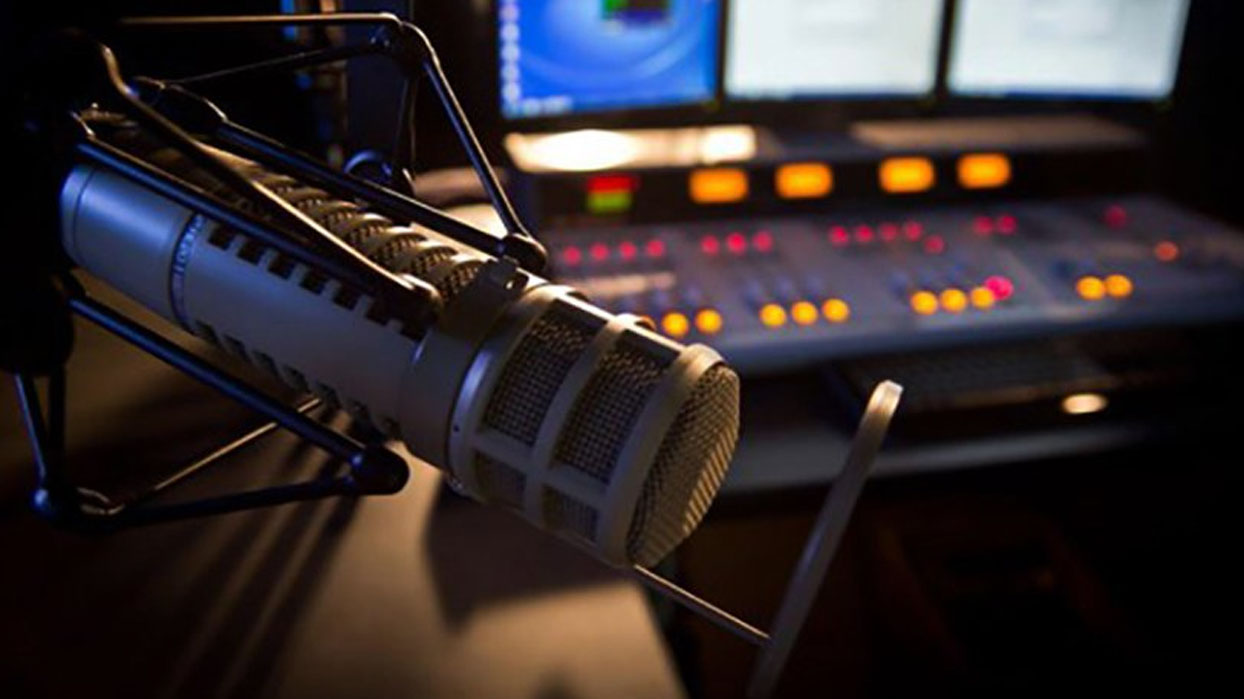
February 13 is no ordinary date. Even as we are flooded by a relentless digital barrage, radio continues to occupy a singular place in our lives. To celebrate that enduring magic, the United Nations Educational, Scientific and Cultural Organization (UNESCO) established World Radio Day, commemorated each year on this date.
The official proclamation came in 2012, but the effort began years earlier with a proposal by Jorge Álvarez, president of the Spanish Academy of Radio. Thanks to Spain’s backing and the support of its Permanent Ambassador to UNESCO, Ion de la Riva, the initiative gained momentum, and the United Nations General Assembly formally proclaimed the global observance.
The choice of February 13 is not arbitrary: it marks the founding of United Nations Radio in 1946. Today, the day celebrates far more than an anniversary: it honours the connection, access to information, and companionship that this medium provides to every corner of the planet.
In a century dominated by screens and algorithms, radio represents a fascinating paradox. It is one of the oldest forms of mass communication, yet it retains remarkable vitality. UNESCO Director-General Audrey Azoulay has described it as “the intimate mirror of a world that must be listened to in order to be understood.”
UNESCO also notes that, despite technological advances, radio remains the most widely used medium worldwide. Its adaptability explains this success. An estimated 2.5 billion people still lack access to the internet. For remote, vulnerable, or resource-limited communities, radio is not merely a source of entertainment; it is often the only reliable link to the outside world. It is a low-cost, highly accessible medium that stimulates public debate and enables inclusive participation.
Radio also transcends simple transmission. Its role is crucial in emergencies and disasters, when it becomes an indispensable tool for communication and relief coordination. This versatility and resilience are precisely what UNESCO highlights each year through its thematic slogans.
The theme for 2026, “AI Is a Tool, Not a Voice,” raises one of the medium’s most pressing debates. Through it, UNESCO encourages reflection on how artificial intelligence can enhance radio without replacing its human essence.
This includes its use in automating routine tasks, supporting accessibility tools such as the automatic generation of captions for people with hearing impairments, and improving fact-checking as well as searches of historical archives.
However, the United Nations agency’s central message is one of caution. Technology does not generate trust on its own; broadcasters and professionals do. The challenge for radio organisations is to adopt an ethical strategy, with policies that protect privacy, ensure transparency, and keep human judgement at the core.
The most tangible proof of radio’s vitality lies in its programming. More than a century after its invention, radio—as UNESCO rightly points out—remains the most dynamic, responsive, and engaging medium in existence. In a world where social media often confines us to opinion bubbles, radio preserves a unique capacity to unite communities, build bridges, and foster constructive dialogue.
World Radio Day is not merely a tribute to the past; it is an affirmation of the future. A future in which technology, guided by ethics and sound judgement, amplifies what radio has always done best: inform, entertain, educate, and, above all, make us feel accompanied. As the slogan cherished by many enthusiasts of the medium puts it, having a radio means you are never alone. This February 13, it is worth tuning in and celebrating that companionship.
Translated by Luis E. Amador Dominguez