Rutas y Andares at the Heart of Havana Historian’s Cultural Program
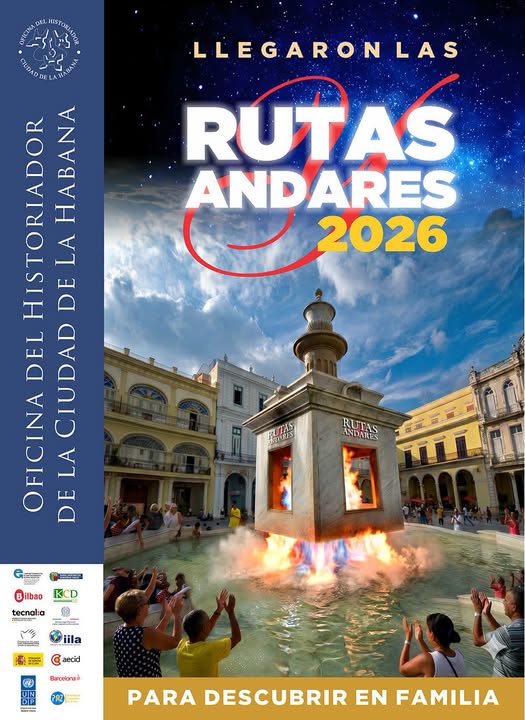
With the arrival of summer comes a long-awaited date for Havana residents and visitors vacationing in the Cuban capital: the Rutas y Andares program. Launched in 2001 by the Office of the City Historian, the initiative invites families to discover Havana’s rich historical and cultural heritage.
A standout feature of this edition is a special route marking the centenary of Commander in Chief Fidel Castro Ruz on 13 August, under the theme “Fidel in the Historic Center: Itinerary of a Symbolic Presence.” The tour revisits his presence in the former Villa de San Cristóbal de La Habana and his contribution to heritage management and restoration, viewed through historical, social, cultural, and symbolic lenses. Visits to museums and urban spaces that bear his imprint will also shed light on his relationship with the City Historian, Dr. Eusebio Leal Spengler.
Running from 7 July to 21 August, the program will be officially unveiled this Saturday in Plaza Vieja, as part of the Plaza Viva convergence platform. The opening of the summer proposal will feature exhibitions in museums and cultural centers, a fair of women-led enterprises, cultural performances, and a broad range of food offerings.
The agenda includes museum routes, special routes, and the Ruta Joven, which this year introduces activities designed to bring young audiences closer to the realities and dynamics of their surroundings. The Andares will encompass Andar con los andantes, architecture-focused walks, virtual itineraries, and Andar Infantil Somos Uno, aimed at children.
Music and exhibitions
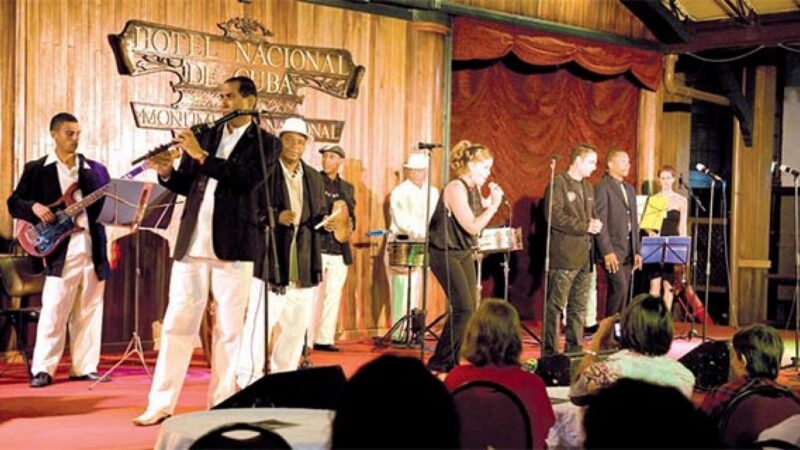
The Cultural Program of the Office of the Historian of the City of Havana (OHCH) will also present a robust musical lineup. One highlight is the concert Devoción y mestizaje: El latido del barroco americano”, by the early music ensemble Ars Longa, next Friday at the former Church of Paula. The program brings together negrillas, tonadas, and villancicos composed in some of the principal cathedrals of the Americas between the 17th and 18th centuries, works that reflect the fusion of Indigenous, Spanish, and African cultural influences.
Another key musical moment will be the performance by Nova Corda Guitar Ensemble, conducted by Alejandro Coira, on Saturday at the Minor Basilica of the Convent of San Francisco de Asís.
Once Rutas y Andares concludes, the OHCH has scheduled three open-house days to showcase the professional training opportunities it offers. At the Gaspar Melchor de Jovellanos Trade School, visitors will be able to learn about its courses, training programs, and facilities devoted to crafts linked to restoration and heritage: carpentry, plasterwork, ironwork, glasswork, stone masonry, marble work, gardening, plumbing, and comprehensive restoration.
The July cultural calendar also includes Mundos compartidos, an exhibition by Matanzas-born artist Adrián Gómez Sancho. The show explores the intersection between childhood imagination and the complexity of adult life through a series of works that fuse children’s drawings with iconography from the artist’s own practice. Opening to the public on Friday at the Carmen Montilla Gallery, the exhibition invites viewers to rediscover the essence of childhood, where each line and color evokes not only innocence and pure creativity, but also the deep emotional bonds that are forged over a lifetime.
On 16 July, the group exhibition Dos rostros, una historia will open at the house bearing the Liberator’s name, in homage to the birthdays of Simón Bolívar and Oswaldo Guayasamín. The show will present portraits by various artists depicting these two towering Latin American figures. July is the month that saw the birth of these two restless minds: one who liberated nations, and the other who liberated the soul of the American people through expressionism. By bringing together portraits of both figures, the exhibition stages a visual dialogue in which Bolívar’s political struggle and Guayasamín’s social struggle intersect, underscoring that genuine independence is born of conscience and memory.
Translated by Luis E. Amador Dominguez