Books Everyone Should Read: El caballito enano by Dora Alonso
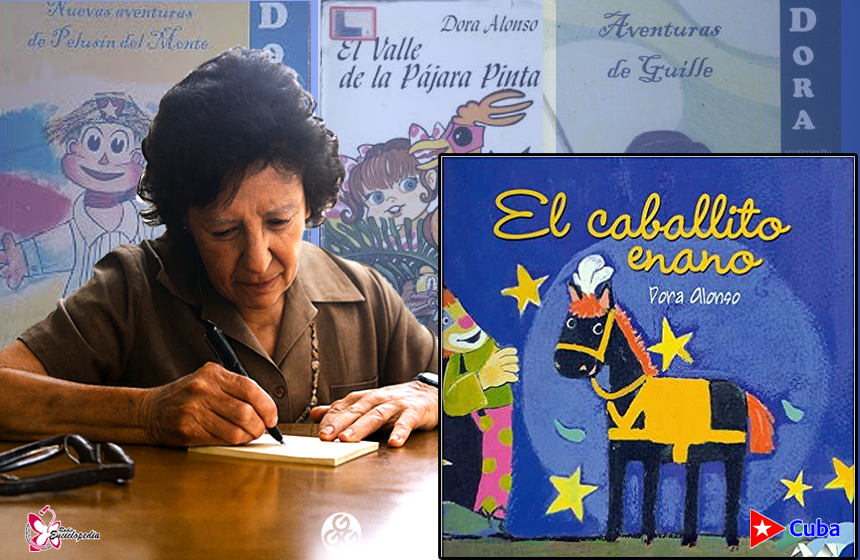
For its educational and human values, clear and simple language, and formative spirit, El caballito enano by Dora Alonso is a book that everyone should read.
Although primarily recommended for children aged six to twelve, this does not prevent teenagers and adults from enjoying it and sharing it with the youngest members of the family.
This charming children’s story recounts the adventures of Pirulí, a tiny horse who is ridiculed for his size. Feeling different, he embarks on a journey to find his place in the world, discovering along the way that being different is not a flaw but an opportunity to embrace his identity and show that each individual has unique value.
First published on January 1, 2001, by the Gente Nueva publishing house, and later released in Colombia by Panamericana in 2004, the book possesses educational, social, and human qualities that foster values such as self-esteem, perseverance, and respect for diversity.
It addresses exclusion and discrimination, showing how society often marginalizes those who do not meet conventional standards of “normalcy,” and underscores the need to dismantle this harmful view. At the same time, it conveys a message of empathy and solidarity, encouraging recognition of each individual’s dignity beyond physical or social differences.
Doralina de la Caridad Alonso Pérez, known as Dora Alonso, was born in Matanzas on December 22, 1910, and died in Havana on March 21, 2001. She was a journalist, storyteller, playwright, and radio and television scriptwriter. She received the National Literature Prize in 1988 and is considered the most translated and internationally published Cuban author for children.
Among her most acclaimed works are La casa y su sombra (Casa de las Américas Prize, 1961), the novel Tierra inerme, the children’s books El valle de la pájara pinta and Las aventuras de Guille, as well as Pelusín del monte, a puppet play that has become an icon of Cuban culture.
In summary, El caballito enano holds a key place in Cuban children’s literature. Beyond its narrative simplicity, it imparts a meaningful lesson about accepting differences and seeking authenticity. Its relevance persists because it addresses universal themes: discrimination, self-esteem, and the need to find one’s place in society. More than a children’s story, it invites readers to reflect on diversity and inclusion, combining accessible language with a strong ethical foundation, making it a classic of Latin American children’s literature.
Translated by Luis E. Amador Dominguez