Liuba María Hevia: A Song for Childhood
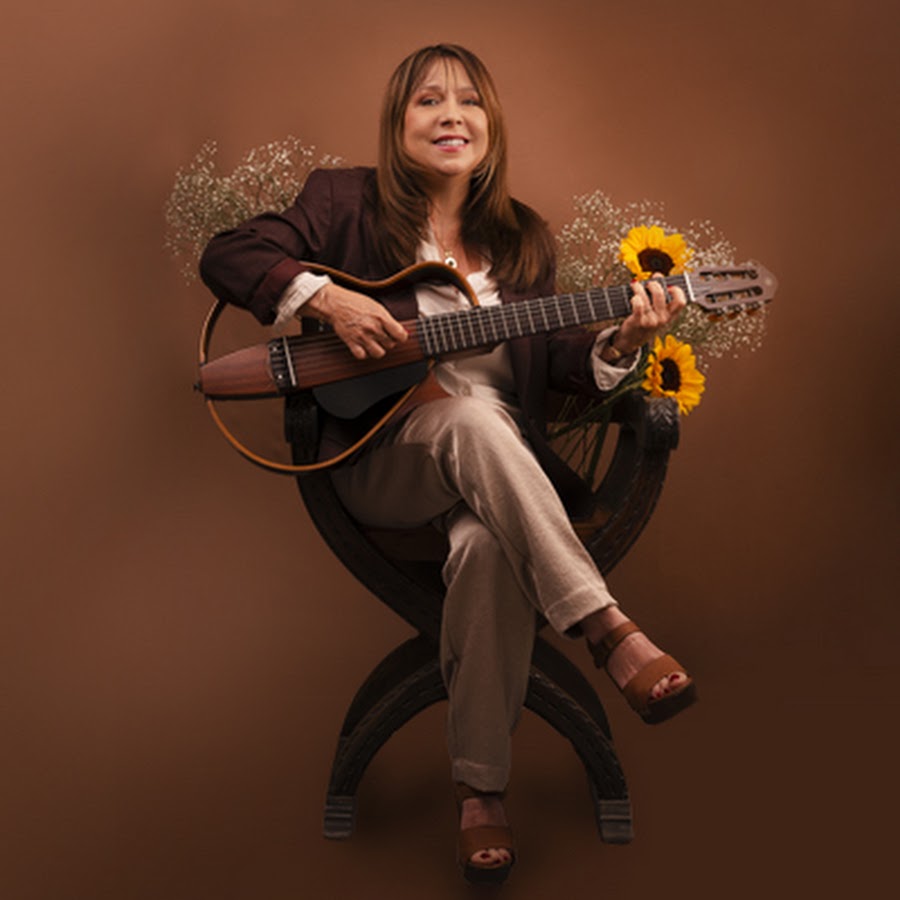
For Liuba María Hevia, the emigrant grandfather and the child singing in the neighborhood are threads in the same song—one that draws no boundary between tenderness and commitment, between art and heart.
Cuban trova—the movement whose profound voice was defined by Silvio Rodríguez and Pablo Milanés—counts Liuba María Hevia among its most genuine and indispensable heirs. A composer, trovadora, and singer par excellence, Hevia has crafted a career that goes beyond mere musical success, establishing herself as a cornerstone of Cuban children’s culture. Her poetic and socially engaged work not only entertains new generations but also educates, embraces, and preserves the island’s identity with rare sensitivity.
From the outset, her journey was shaped by two lineages: the trovador tradition and a deep-rooted sense of social purpose. Since 1982, she has been part of the Nueva Trova movement, absorbing lessons from its founders before forging her own path—where guajiras, boleros, sones, and habaneras blend into a universal language.
Hevia’s artistry is distinguished by meticulous lyricism and a constant exploration of Cuba’s musical roots. With more than twenty albums, her body of work is an ongoing dialogue between singer-songwriter craftsmanship and the soul of the people. Her song Con los hilos de la luna (popularly known as El abuelo), dedicated to her Asturian grandfather, has become an anthem of migration and enduring family bonds.
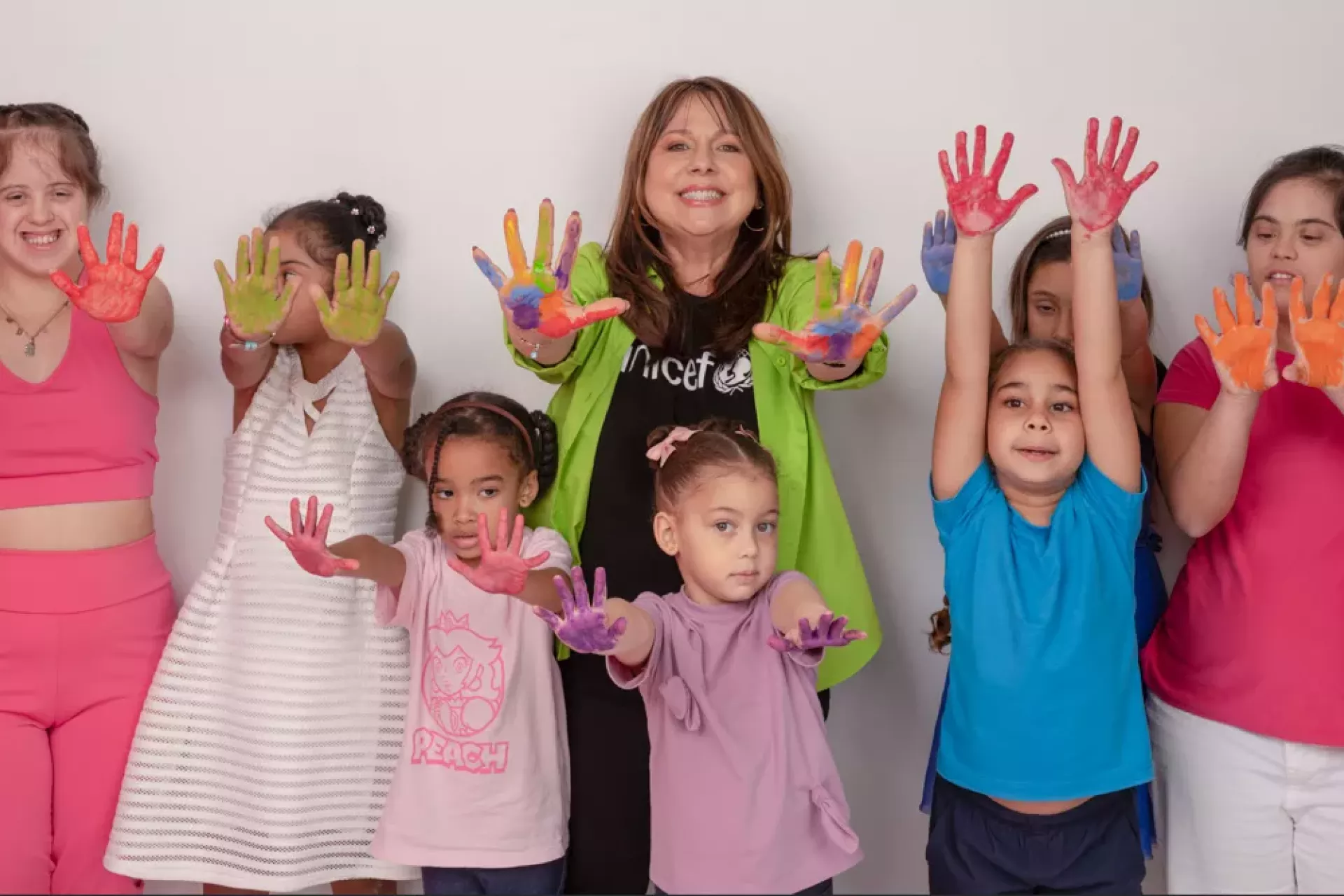
Her contributions have been recognized with some of the nation’s highest cultural honors, including the Distinción por la Cultura Nacional, awarded at age 31, and the Alejo Carpentier Medal. Perhaps her most socially significant honor came in 2012, when UNICEF named her a Goodwill Ambassador—recognizing her decades of dedicated work with children, both in grand theaters and in neighborhoods and hospitals throughout Cuba.
Yet, if there is one arena where Liuba María Hevia’s mark is indelible, it is in children’s music. She never condescends; she regards her young audiences with the same respect and depth as her adult listeners. This ethos crystallized in her landmark children’s album, Travesía Mágica, now in its tenth edition—a testament to its popularity and staying power.
Hevia has also served as a crucial bridge for the work of poet and trovadora Ada Elba Pérez (1961–1992), rescuing and interpreting her children’s compositions for new generations. Her repertoire includes thoughtfully crafted versions of classic Hispanic American children’s songs, resulting in a collection both entertaining and formative. But what sets Hevia’s work with children apart is her radical commitment to the community. Her artistic life extends beyond recording and touring; she is deeply woven into Cuba’s social fabric.
This vocation has aligned Hevia with other significant community cultural projects in Cuba, such as Saltapalabra in Guantánamo—an event championing oral storytelling and Cuban identity—and Havana’s Grupo de Teatro Olga Alonso, recognized for its neighborhood-based cultural work.
Her dedication has led her to active participation in initiatives fusing art with social engagement, like the Jornada de la Canción Política in Guantánamo, a 44-year-old project where trovadores honor revolution martyrs. Its 2020 edition spotlighted women in trova, with Hevia as a prominent guest.
Hevia belongs to a lineage of women artists for whom creation is a space of expression and transformation. Her work resonates with the often-underrepresented history of women creators in Cuba and Latin America—a legacy under increasing scholarly spotlight.
Her artistic stature has facilitated collaborations with some of Ibero-America’s greatest musicians. On the album Vidas paralelas, she shared credits with Omara Portuondo, Ana Belén, Danny Rivera, Carlos Varela, and others; while Para volverte a ver continues her exploration of poetry and melody in song.
Hevia’s influence in Cuban children’s music extends beyond individual songs—it is a pedagogy of affection. Singing to and with children from a place of authenticity and simplicity, she presents her musical heritage with the warmth of a storyteller and the authority of a teacher. In a world where childhood is increasingly shaped by screens and fleeting content, Hevia’s art endures as a bastion of artistic quality and human warmth.
As a UNICEF Goodwill Ambassador, her voice carries a message of rights, care, and hope. With every hospital concert and neighborhood workshop, Liuba María Hevia is weaving a more harmonious future for Cuba—using the threads of her own personal moon. Her music for children is not a footnote in her career; it is the very heart of her creative and ethical vision: the conviction that a song, honest and beautiful, can be a child’s first and most lasting homeland.
Translated by Luis E. Amador Dominguez
Photo: Liuba María Hevia / YouTube