Ñico Saquito: Cuba’s Musical Chronicler
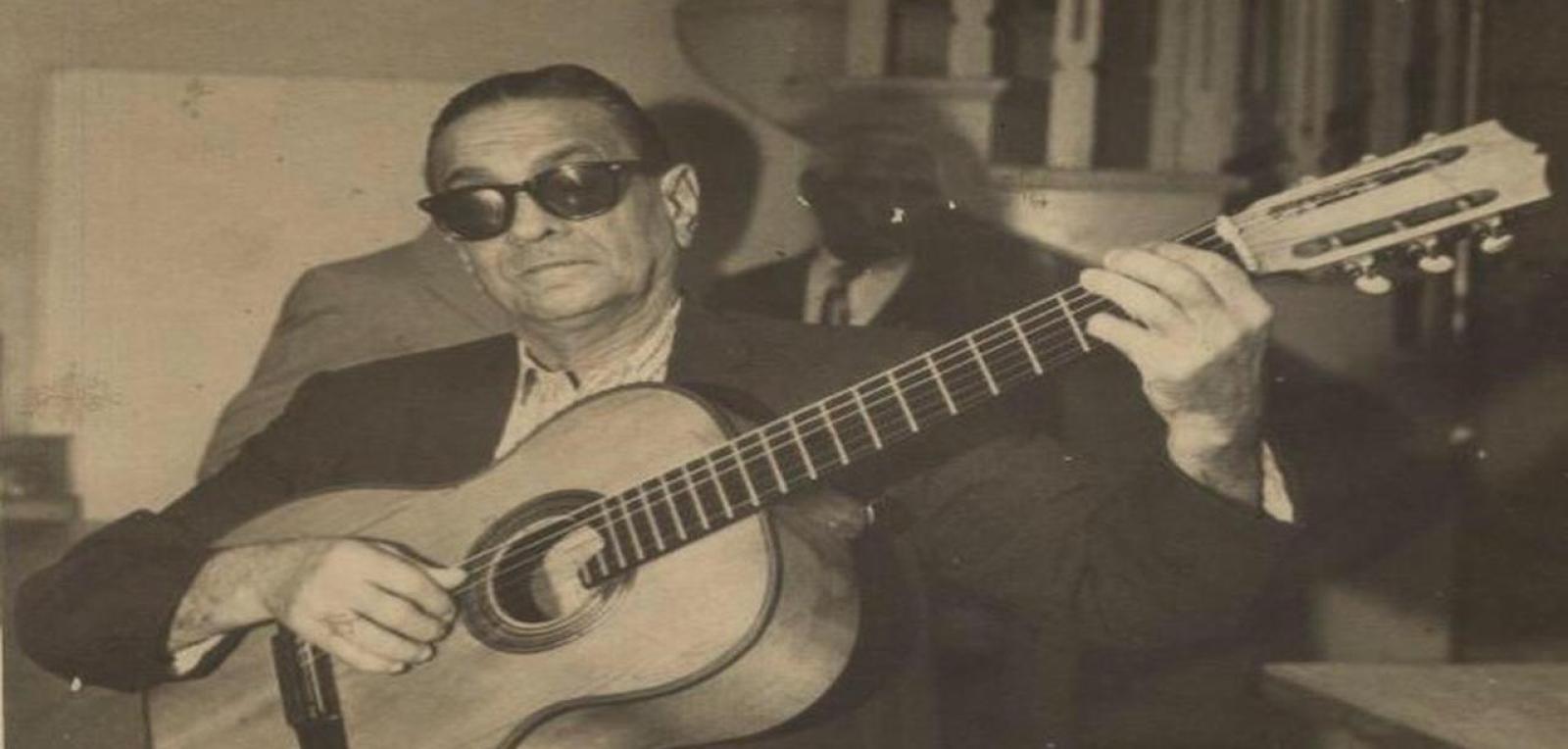
A Cuban singer-songwriter transformed street jokes, complicated romances, and rural grievances into more than 500 songs that captured the soul of a nation. His real name, Benito Antonio Fernández Ortiz, faded behind a nickname earned on a baseball field.
He was born in the musical heart of Cuba on February 13, 1901, in a house on Santa Rosa Street in Santiago de Cuba’s Tivoli neighborhood—a cradle of songwriters. From the start, music surrounded him: his mother and aunt sang duets at home and at local parties. Yet his first passion was sports. He excelled as an agile center fielder for the Plus Ultra baseball team. Fans marveled at how he caught every ball without letting one slip, joking that he seemed to have a little sack («saquito») for snagging them. Combined with the diminutive «Ñico,» referring to his short stature, the nickname Ñico Saquito stuck for life.
At 15, with a guitar in hand and lessons from maestro Félix Premión, his path shifted forever. He left the baseball diamond to become a troubadour. In doing so, Cuba gained one of its sharpest chroniclers—the man later dubbed the National Reporter for his ability to set every facet of everyday life to music.
His musical career took root in the 1920s. He began with his own group, then joined the Cuarteto Castillo in 1928, touring the island. Later, he became part of the Quinteto Cubana Star, sharing the stage with another future legend, Francisco Repilado, soon to be known as Compay Segundo. They performed at Havana’s Montmartre cabaret and on RHC Cadena Azul radio, spreading their sound nationwide.
Forming his own ensembles solidified his distinctive style. In 1942 he founded the Cuarteto Compay Gallo, but the defining leap came in 1948 with Los Guaracheros de Oriente. This group became the ideal vehicle for his prolific output, establishing him, in experts’ eyes, as the most successful and productive guaracha composer. Los Guaracheros toured beyond Cuba’s shores, performing in Puerto Rico, Venezuela, Tampa, Key West, Mexico, and New York.

In 1951, Ñico Saquito and Los Guaracheros traveled to Venezuela for a tour. When the group split there, he stayed, performing with local acts such as the Trío América. His residence lasted nearly a decade, ending in 1960. In a pivotal decision, he returned to a Cuba reshaped by the recent Revolution, while his former bandmates chose to remain abroad.
Back in Havana, he found a new artistic home at La Bodeguita del Medio. The iconic Old Havana bar-restaurant became his regular stage throughout the 1960s and 1970s, where he entertained locals and tourists with his inexhaustible repertoire. There, the National Reporter continued observing life and turning it into songs until he died in Santiago de Cuba on August 4, 1982.
Ñico Saquito’s output was staggering, numbering more than 500 compositions. His creative process was as straightforward as his music. He once explained: “My songs come from a wisecrack, a story I hear anywhere, a joke, and of course from the joys and sorrows that have come my way at some point in life.” This deep, visceral tie to everyday people explains the lasting power of his work.
His genius lay in using humor and mischief to paint an authentic portrait of Cuban character and identity. Beyond guarachas, his catalog includes guajiras, boleros, son, chachachás, and more. Yet he mastered the guaracha, crafting witty, picaresque lyrics full of wordplay that told ordinary stories.
Among his cornerstone works are “María Cristina me quiere gobernar” (a clever complaint about a domineering partner that became an anthem of cheeky double entendre), “Al vaivén de mi carreta” (a poignant guajira that rises above rural anecdote to become a social lament on hard labor and countryside poverty, with lines such as “Trabajo de enero a enero, y también de sol a sol. Y qué poquito dinero, me pagan por mi sudor”), “Cuidadito, compay gallo” (showcasing his skill at humorous musical storytelling), and “Adiós compay gato” (another display of narrative ingenuity, building a chain of absurd events with an infectious rhythm).
Ñico Saquito’s mark is indelible, spanning generations and borders. His influence helped shape what became known as salsa and Cuban timba. His music also extended beyond recordings, becoming part of the soundtrack for various audiovisual productions.
His legacy proves authenticity never expires. The boy who caught balls with an imaginary little sack ultimately captured an entire people’s spirit in his songs. Born from street-corner jokes and life’s hardships, his music remains a mirror in which Cuba sees itself, laughs at itself, and celebrates its irreplaceable way of being.
Translated by Luis E. Amador Dominguez