Sergio Aguirre: The Critical Conscience of a Revolution
Born in Havana on March 4, 1914, Sergio Aguirre was a writer, historian, and educator who dedicated his life to uncovering the keys to Cuba’s national past through a revolutionary lens, becoming a pioneering figure in Cuban Marxist historiography. His academic formation, culminating with a Doctorate in Philosophy and Letters from the University of Havana in 1941, was paired from an early age with active political engagement, leading him to join the Ala Izquierda Estudiantil, the Communist Youth League, and, from 1938, the Popular Socialist Party. This fusion of intellectual rigor and militant commitment shaped the trajectory of his entire scholarly output.
Aguirre’s pedagogical vocation manifested early in the classroom. For three decades, he combined research with teaching, delivering History and Geography lessons in institutes in Artemisa and La Víbora, where colleagues remembered him as an exceptional instructor. According to researcher Oscar Zanetti, his teaching displayed an artful expository style that was consistently didactic, reflecting his dedication to public education. This commitment reached its apex after 1959, when he served first as technical advisor to the Ministry of Education and, in 1962, as director of the School of History at the University of Havana. From this platform, he shaped generations of historians, instilling in them a vision of history as a tool to understand and transform society, a principle he lived by himself.
During the 1960s, Aguirre’s writing became a vital ideological instrument to reinterpret the past and validate the revolutionary present. Historian Fernando Martínez Heredia described him unequivocally as an activist of Cuban emancipatory thought. Works such as Quince objeciones a Narciso López and Seis actitudes de la burguesía cubana en el siglo XIX exemplify his incisive critique, employing sharp political satire to dismantle the figures and myths of traditional historiography. These works were not mere chronicles of events but committed analyses aimed at reclaiming the disenfranchised masses as central actors in Cuba’s true historical narrative.
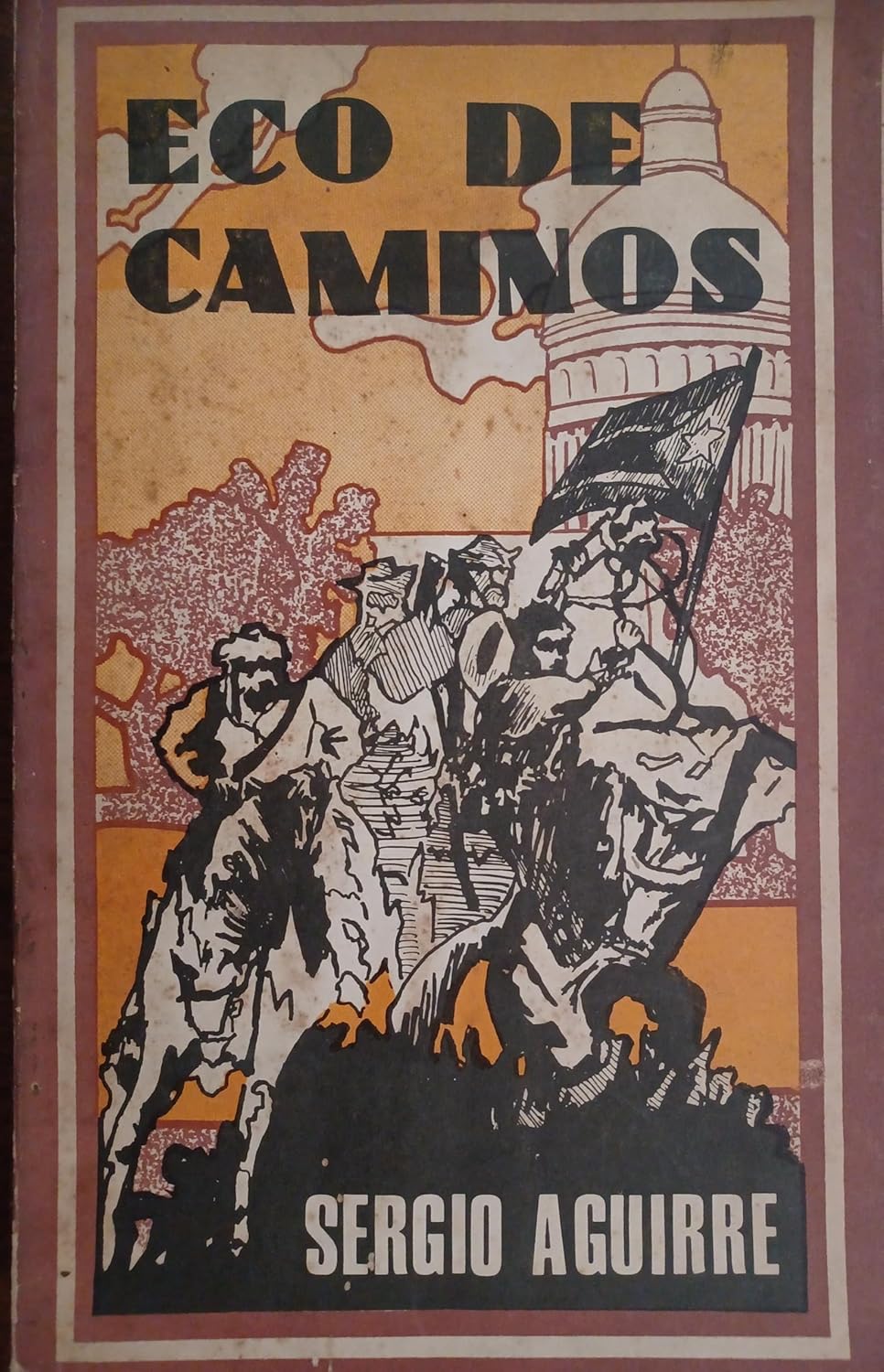
In works like Ecos de caminos, Aguirre offered profound insights into the formation of Cuban identity. His studies on slavery, abolitionism, and the Baraguá protest underscore his enduring concern with the roots of nationality and the anti-imperialist struggle, with José Martí as an essential guide, as highlighted in José Martí y el imperialismo norteamericano. His scholarship extended beyond Cuba, representing the nation at key international forums such as the 20th International Congress of Historical Sciences in Vienna and the Conference of Historians of Socialist Countries in Moscow, both held in 1965.
Aguirre’s contributions were recognized with numerous honors, including the Alejo Carpentier Medal and the National Culture Distinction. When he passed away in Havana on March 17, 1993, Cuba lost one of its most committed intellectuals. Yet, his legacy endures, reminding us that history, far from being an ivory tower, can and must serve as a battlefield for social justice and national defense—a lesson that this extraordinary scholar exemplified with unwavering passion until the end of his days.
Translated by Luis E. Amador Dominguez
Photo: Amazon