The Infinite Gaze of Osvaldo Salas: From New York’s Glare to Cuban Epic
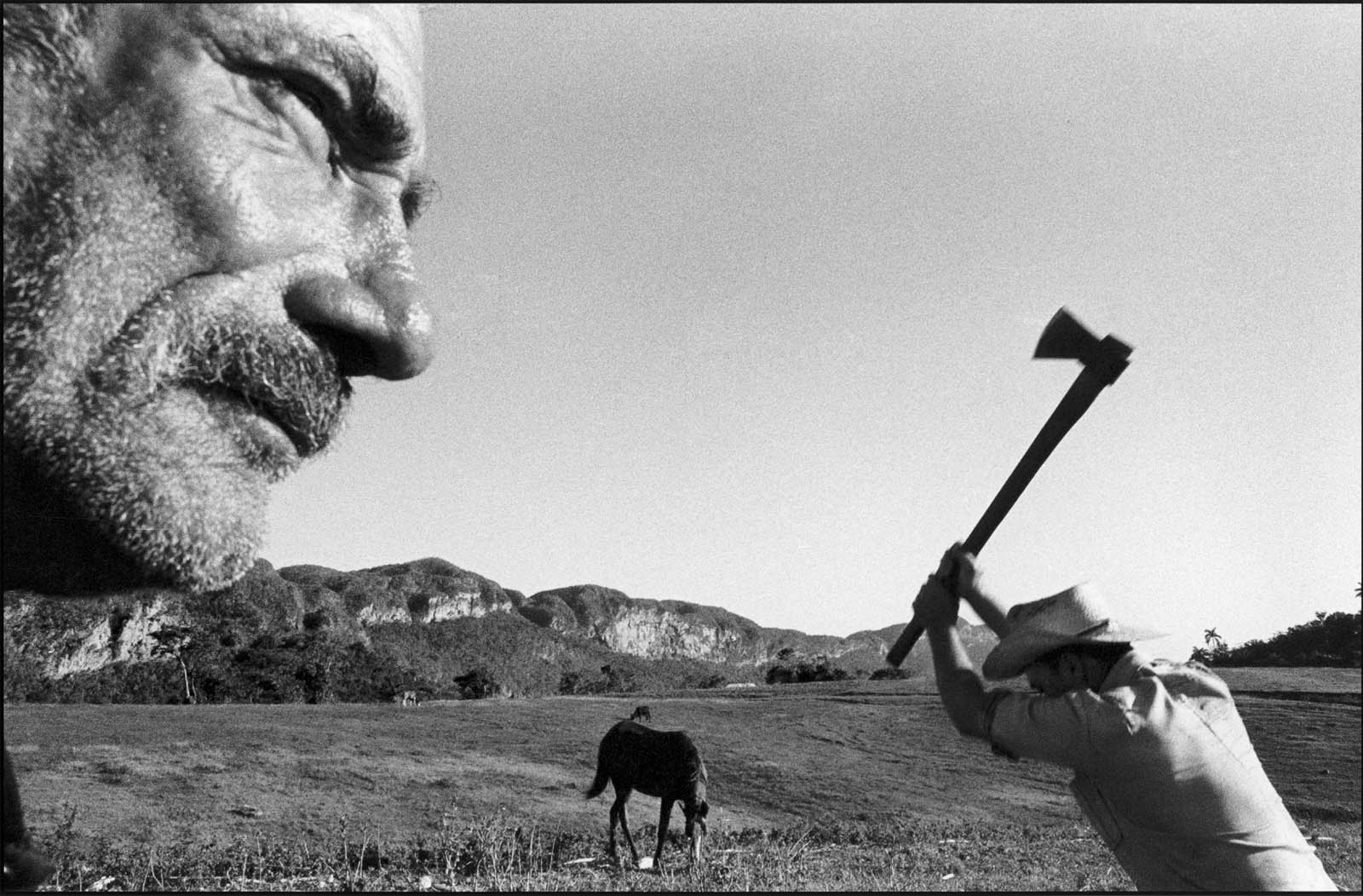
Osvaldo Salas’s camera did more than record the epic narrative of the Cuban Revolution; long before that, it captured the spirit of an era on the streets of New York. His life, marked by exile and return, stands as the testimony of a man who found in photography a language for deciphering human psychology. Born in Havana in 1914, he emigrated with his family to the United States in 1926, fleeing Gerardo Machado’s dictatorship. The Great Depression turned young Osvaldo’s childhood into a struggle against adversity. His father, a mechanic, ended up working as a railroad welder in New Jersey, and at fifteen Salas left school to follow in his footsteps.
The artist’s destiny, however, was forged with threads of stainless steel. While working as a precision welder, fellow members of a camera club began asking him to make trays and tongs for their darkrooms. That seemingly incidental favor drew Salas into the world of film developing. A workplace accident that injured his ankle pushed him to make a decisive change: trading the blowtorch for the camera. He began as a banquet photographer, immortalizing weddings and birthday parties, but his artistic vision was being shaped in New York’s museums.
“The influence of the great masters of painting was eagerly absorbed by the photographer,” as one critic noted—an exercise that nurtured his ability to compose images with an almost painterly depth. Salas liked to say that photography owed five percent to technique and ninety-five percent to imagination, a credo that helps explain the expressive power of his work.
By the 1950s, Salas had turned his passion into a thriving career. He opened a studio in Manhattan, opposite Madison Square Garden, a strategic vantage point that allowed him to portray some of the greatest legends in sports and entertainment. His lens captured the raw power of Rocky Marciano and the elegance of Joe DiMaggio, as well as the glamour of Marilyn Monroe, Ava Gardner, and María Félix. The National Baseball Hall of Fame and Museum in Cooperstown would later recognize this chapter of his career with an exhibition of fifty of his photographs.
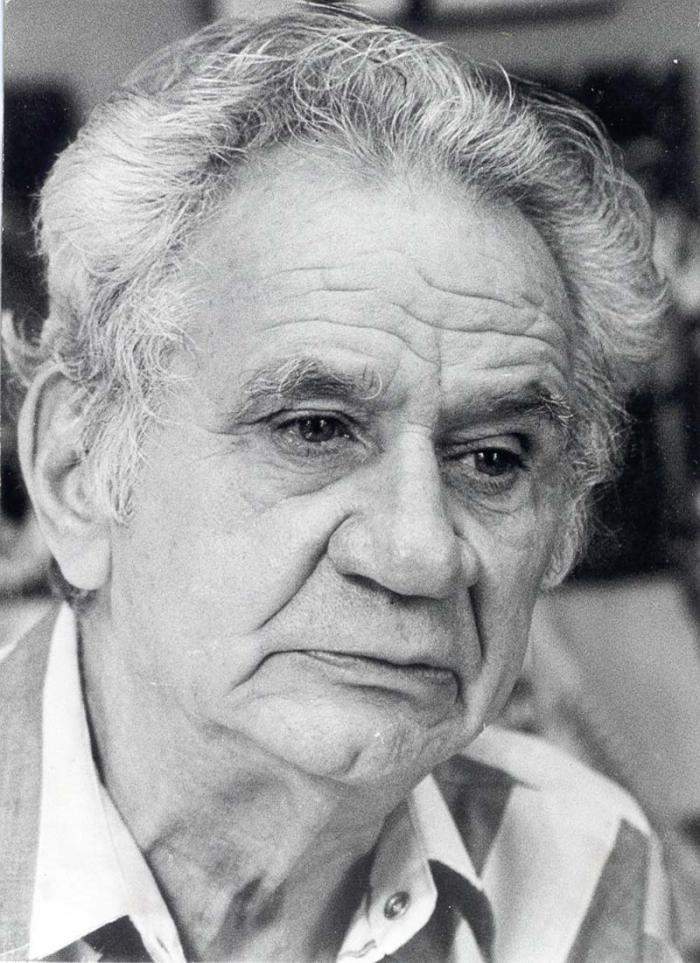
In 1955, a chance encounter altered the course of his life. A group of Cubans led by journalist Vicente Cubillas arrived at his studio. Without realizing it, Salas was photographing Fidel Castro and Juan Manuel Márquez, who were then preparing the armed uprising against Fulgencio Batista. Those images, later published in the magazine Bohemia, became a discreet yet significant act of collaboration with the revolutionary movement.
With the triumph of the Revolution in 1959, Salas made a radical decision: to return to Cuba after thirty-four years abroad. His son Roberto, also a photographer, had preceded him by a few days. Together they joined the newspaper Revolución, which would become the great training ground of Cuban photojournalism. There, under an editorial line that gave images pride of place over text, Salas found fertile ground to evolve. The veteran commercial photographer was reborn as a chronicler of epic, someone who sought beauty amid the maelstrom of history.
His technique grew bolder. He experimented with high contrast, solarization, and expressive use of the zoom—resources that pushed his work beyond mere documentation and toward a visual poetry of unusual force.
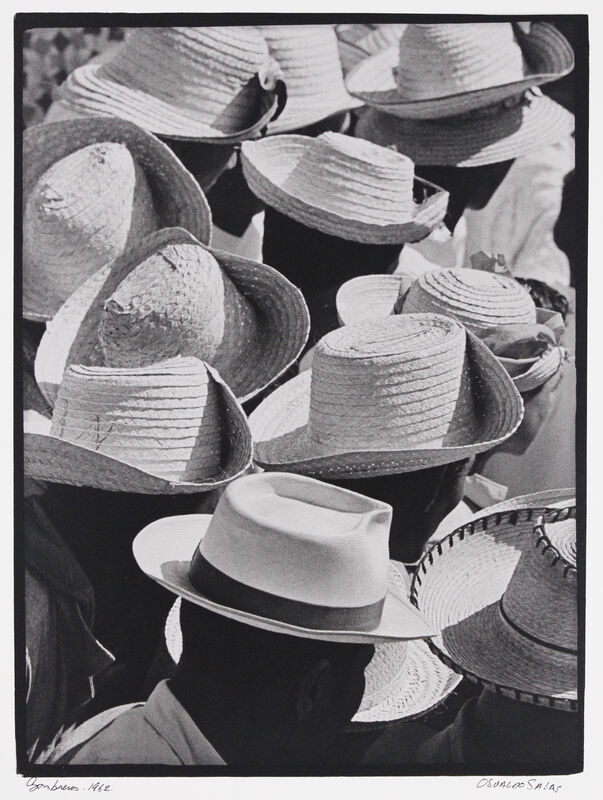
Alejo Carpentier, with his erudite eye, captured the essence of Salas with precision: “The power of human presence, the poetry of stone and of things, the values of space, are transcended and fixed in the masterly images of Osvaldo Salas.” This capacity to move beyond the anecdotal is most evident in his portraits. For Salas, the face was a territory to be explored. “I like to get to know the people I’m going to photograph, to come closer to their psychology,” he confessed. This search for the subject’s inner world enabled him to portray, with equal depth, revolutionary leaders, anonymous children in the streets—another of his great passions—and international celebrities such as Gabriel García Márquez and Geraldine Chaplin, both of whom considered him their photographer of choice.
Up through the 1980s, Osvaldo Salas continued working for the newspaper Granma, traveling widely and mounting more than forty solo exhibitions in fourteen world capitals. When he died in Havana in 1992, he left behind an immense and, paradoxically, complex legacy. His work is now regarded as part of Cuba’s national heritage, and the story of Osvaldo Salas is that of a man who, through his lens, built a bridge between the dazzle of New York and the fervor of revolutionary Cuba, leaving a visual record in which imagination and humanity always prevailed over cold technical perfection.
Translated by Luis E. Amador Dominguez
Photo: Art Blart