The Song of Love and More: Pedro Álvarez
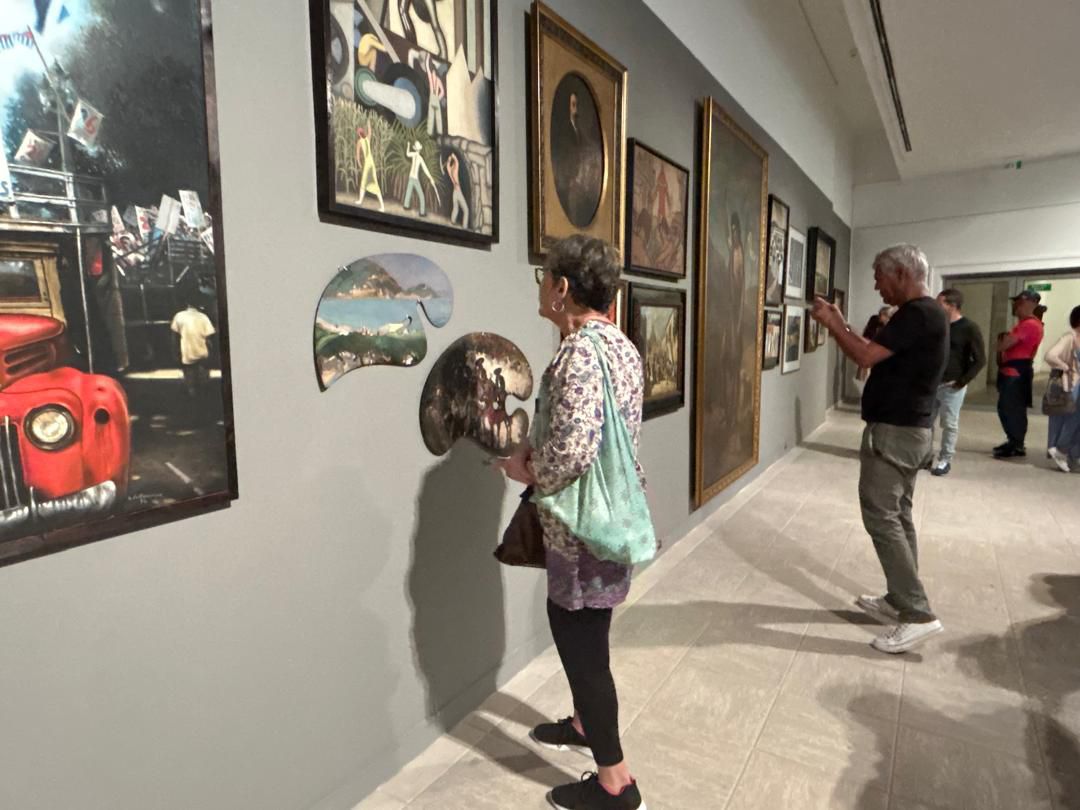
Since December 26, the vitality of Pedro Álvarez’s (1967–2004) pictorial work has filled the temporary exhibition galleries on the second level of the Cuban Art Building at the National Museum of Fine Arts.
Jorge Fernández Torres, director of the institution, highlighted this enduring relevance at the opening of the extensive exhibition titled Keep on Painting, Peter. The show revisits Álvarez’s artistic legacy and reintroduces it to contemporary audiences through works created between 1985 and 2003.
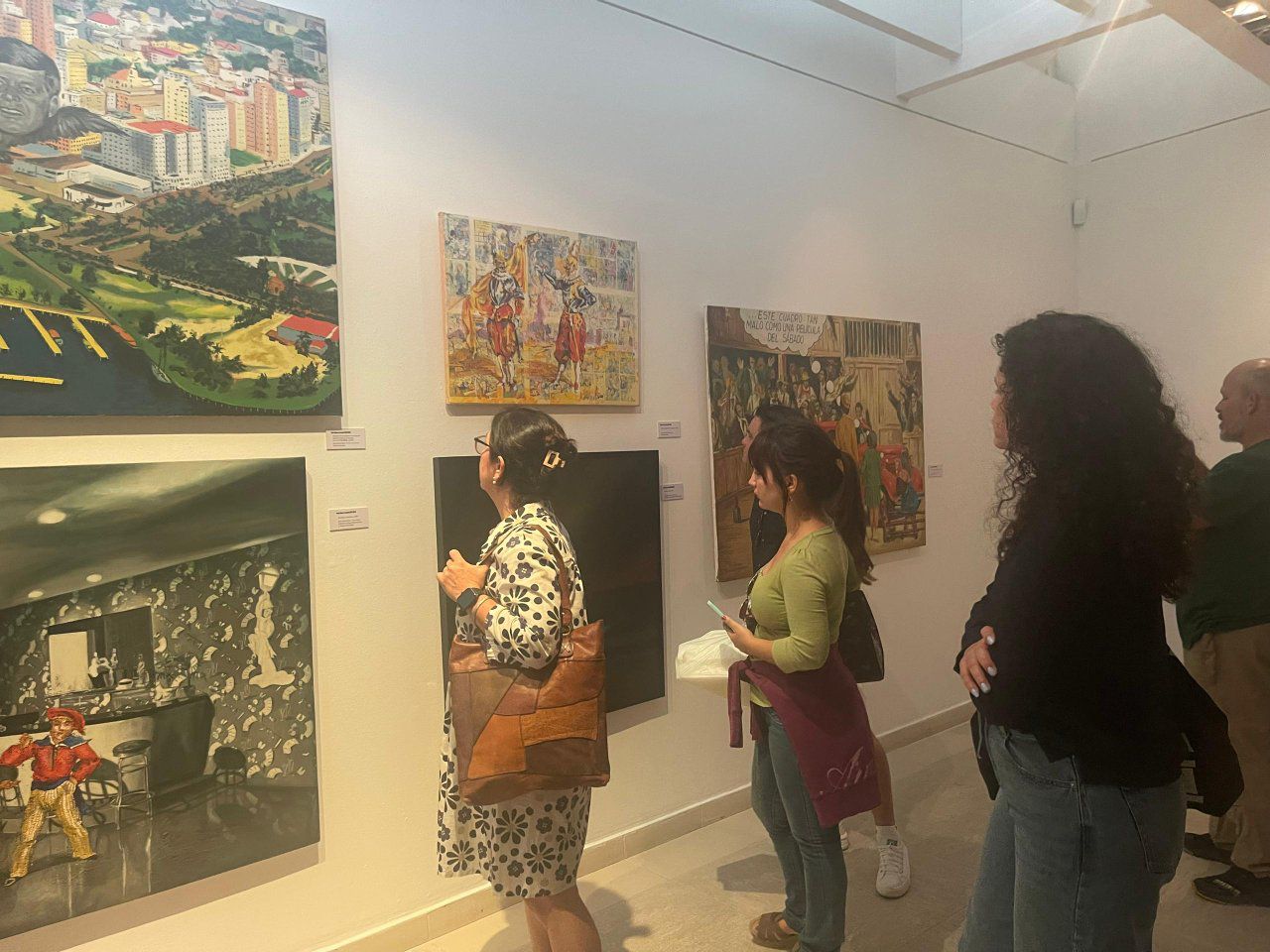
Describing Álvarez as «a man critical of his time,» Fernández Torres—who co-curated the exhibition alongside visual artist José Ángel Toirac and art critic Dannys Montes de Oca—emphasized the distinctive mark and intellectual rigor of the artist behind The Song of Love. This emblematic work, preserved in the Museum’s collection, is now on display alongside other pieces drawn from the institution’s holdings and private collections, set in dialogue with their historical references.
Pedro Álvarez committed himself to painting in the 1980s and repeatedly questioned why he should abandon it, given that it was his chosen means of expression—regardless of whether it was deemed illustrative, Fernández Torres recalled. He also noted that Álvarez was a keen observer of art history «with a decolonizing outlook at a time when such discourse was not yet common.»
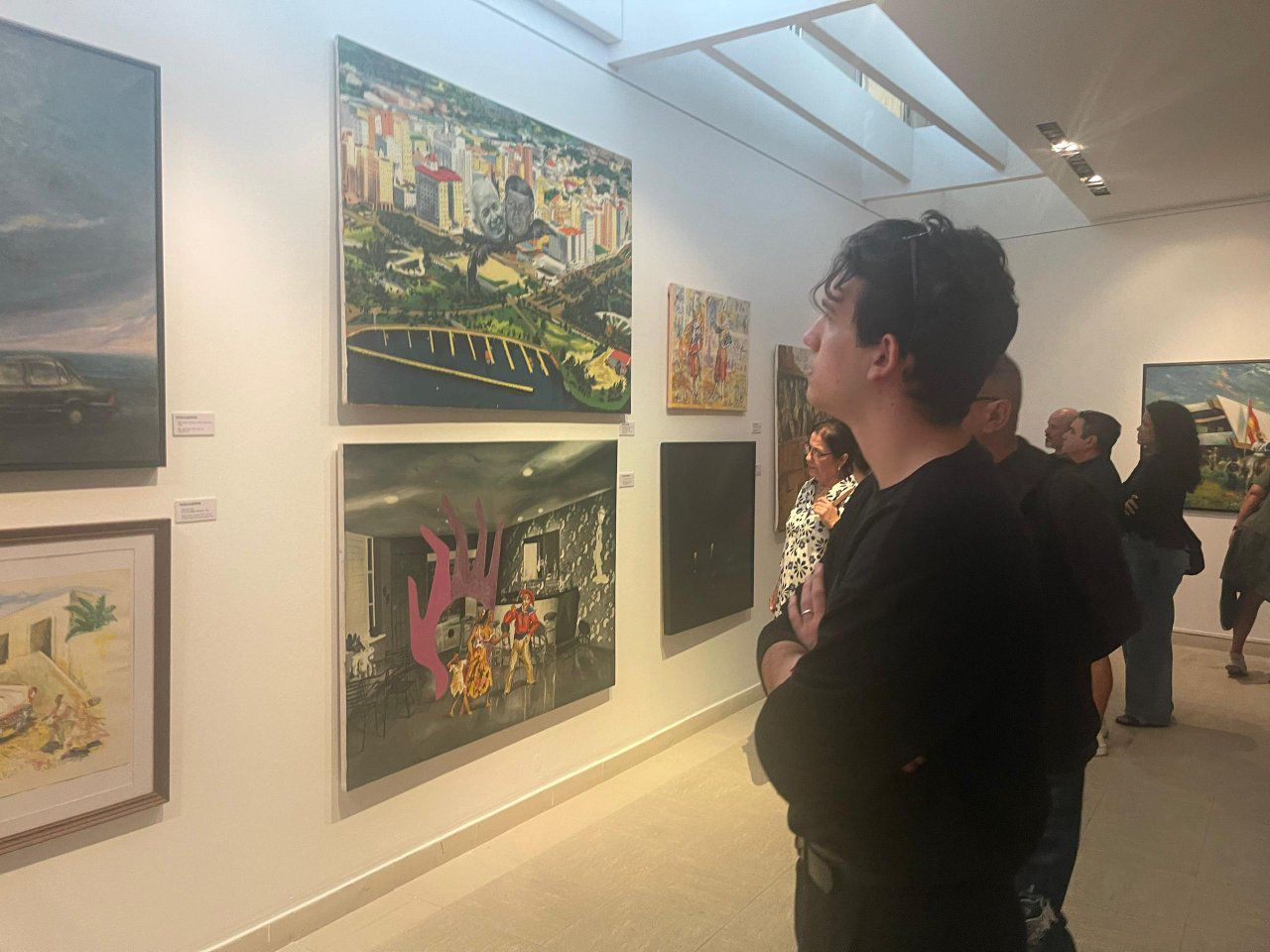
The artist engaged with the pressing issues of his era by confronting a challenge particularly acute in the Cuban context: entering into dialogue with international art without succumbing to banality or superficiality. «That is why his painting today retains an extraordinary power,» the director stressed.
At the opening ceremony, Fernández Torres welcomed Pedro Álvarez’s siblings and expressed gratitude for the efforts of Delia María López Campistrous, the Museum’s technical deputy director and coordinator of the exhibition’s installation. He also acknowledged the collaborations and loans that made the exhibition possible, as well as the work carried out by the Restoration, Conservation, Installation, Communication, and Publications departments.
Source: National Museum of Fine Arts of Cuba.
Translated by Luis E. Amador Dominguez