Guardians of Wonder: The Museum as a Refuge of Time in Cuba
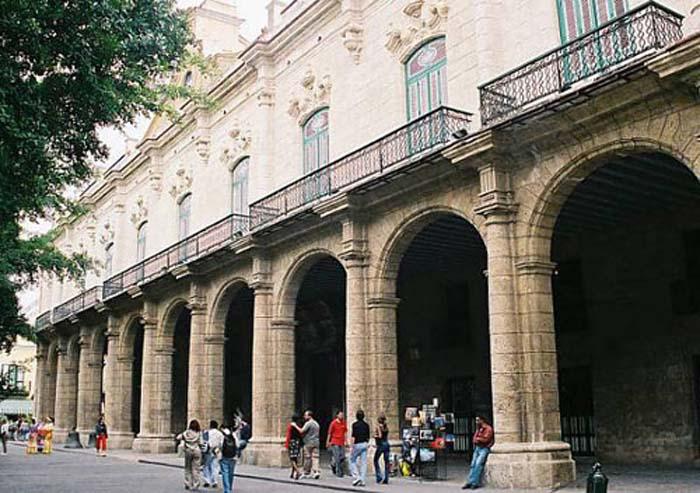
There is a different kind of light inside a museum. It is not the ordinary glow of an electric bulb, but a radiance filtered through centuries, the kind that settles on a bayonet worn down by the Ten Years’ War or on the lace of a colonial-era dress. Crossing the threshold of the Palace of the Captains General in Old Havana, or descending into the cool galleries of the Castle of the Royal Force, visitors feel a shift in the air pressure. It is the pressure of history. Every May 18, on International Museum Day, that atmosphere becomes electric across the island, reminding us that these institutions are not storehouses of the past, but laboratories of the future.
It was in 1977 that the General Assembly of the International Council of Museums (ICOM) established the date to raise awareness around the world about the crucial role museums play in society’s development. This year’s theme, as in every edition, invites deeper reflection on education and research. In the Cuban context, however, the celebration takes on a particular meaning. Museums on the island have been, from the Literacy Campaign to the present day, an extension of the public school system, but also an intimate diary of a nation determined to remain in dialogue with its origins.
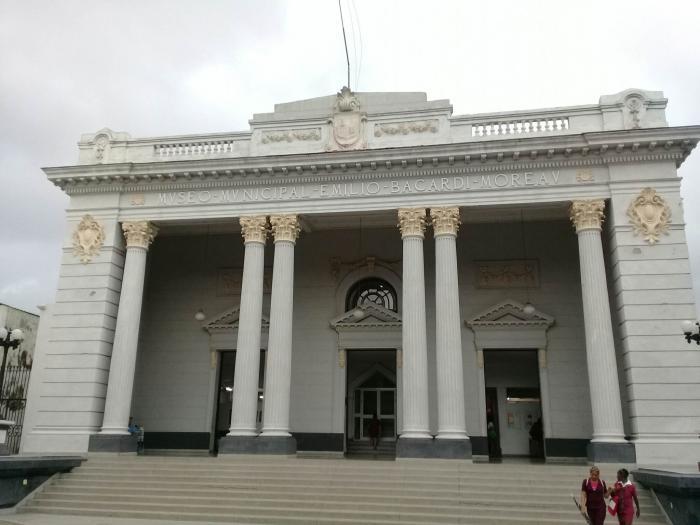
For Havana residents, museums are not only the renovated National Museum of Fine Arts, home to the country’s largest collection of 19th-century Cuban painting and avant-garde works. They are also the former tenement house turned showcase at the Museum of the City, or the industrial structure that houses the Wifredo Lam Center for Contemporary Art. During the week of the celebration, the offerings move beyond the classic silent tour. Heritage steps into the street. In Santiago de Cuba, tradition reigns through Carnival, but the Emilio Bacardí Moreau Museum, one of the country’s first, keeps its doors open into the night, offering trova concerts in its colonial courtyards and blending the dust of aboriginal amphorae with the sweat of danzón.
What are people looking for when they stop in front of a display case? In an interview before the pandemic, the director of Cuba’s National Museum of Natural History said the museum is an antidote to digital transience. In a world where an image is consumed and discarded in seconds, contemplating an archaeological piece from Taíno culture demands slowness. On the Isle of Youth, the Cayo Largo Museum displays treasures recovered from the seabed, and on International Museum Day it organizes workshops for children on antique cartography. The point is not only to look, but also to touch — with the guide’s permission — replica seals and to understand that the spearhead on display was once gripped by a flesh-and-blood hand sweating under the same Caribbean sun.
The logistical challenge, however, remains a recurring concern among specialists. It is no secret that conservation faces serious obstacles because of climatic conditions — heat and salt air are silent predators — and the wear of aging infrastructure. Even so, the sector’s creativity has served as a bridge. In recent years, museum programming in Cuba for this date has included virtual tours through websites run by the Office of the Historian and dramatized walks through historic districts, where actors portray 19th-century figures while telling the story behind period furnishings. Technology, even in small doses, has become an ally in connecting with young people, a generation that often sees museums as distant temples.
The importance of this celebration lies in the way it rescues from oblivion these guardians of wonder. In Camagüey, known for its maze of streets, the Museo del Carmen stands out with its stained-glass windows and collection of sacred art. International Museum Day allows students from the local arts school to use its cloisters as an open studio, proving that the museum is not a tomb for the old, but a matrix for the new. It is an idea repeated in every province: from the Birthplace of José Martí in Havana to the Memorial de la Denuncia in the eastern province of Guantánamo. Every artifact is a spark that ignites conversation about identity.
So when visitors walk through those doors of noble wood or bare concrete, they leave transformed. They do not return home with a simple keepsake, but with the collective memory freshly renewed. Museums in Cuba are not islands within the island, but beacons that, despite exposure and adversity, keep alive the light of what we were and what we insist on becoming. This May 18, the invitation is to pause, to look without haste, because in the end, those who care for yesterday are better equipped to build tomorrow.
Translated by Luis E. Amador Dominguez