Against the Blockade: For the Genuine Right to Share Our Art
Cuba’s arguments before the world regarding the impact of the systematic tightening of the United States government’s economic, commercial, and financial blockade are compelling. The policy has been imposed on the island for nearly six and a half decades.
With particular emphasis on its hostile nature, the blockade’s effects have extended to Cuban culture and the creative spirit of the people of this small yet immense country, who strive every day to overcome the harassment, demonstrate their human worth, and reaffirm their ever-growing determination to improve themselves. All of this once again invites reflection, this time from various perspectives.
Have our readers ever wondered how much it costs Cuba to obtain a violin string—or the violin itself; a piano, a pair of ballet slippers, a software license…? How much more could the world enjoy Cuba’s rich culture in all its forms if the U.S. blockade did not exist? These are difficult calculations to make in a country where prices multiply under the provisions of laws that hamper every initiative aimed at ensuring the nation’s survival and where, despite all this, culture remains accessible to everyone, as Fidel, the Revolution’s historic leader, envisioned from the earliest days of its triumph.
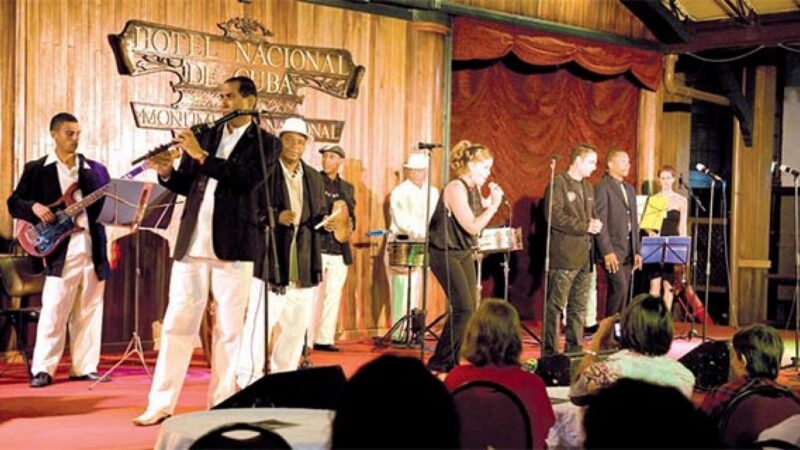
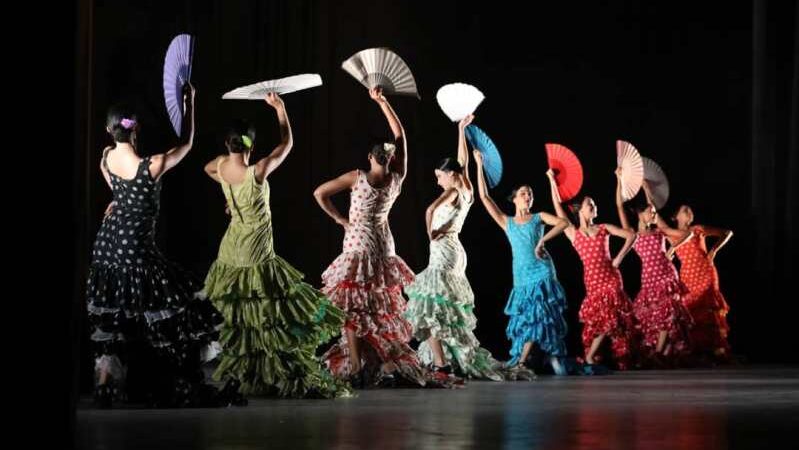
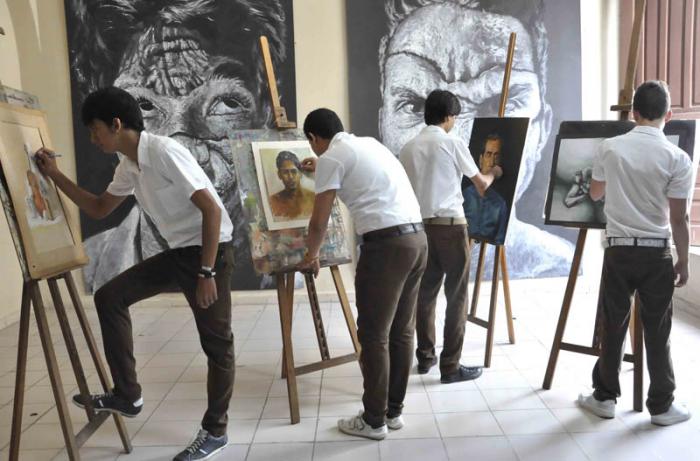
The economic damage inflicted on the music, visual arts, literature, arts education, and film industries is estimated to amount to millions of dollars for the country. This genocidal policy pursued by the Empire entails severe restrictions on the purchase of musical instruments and accessories, dance costumes, materials for painting and film production, books, and music manuscript paper. These supplies must be purchased at high prices on the international market, and their cost to Cuba is effectively tripled because they have to be obtained through third countries.
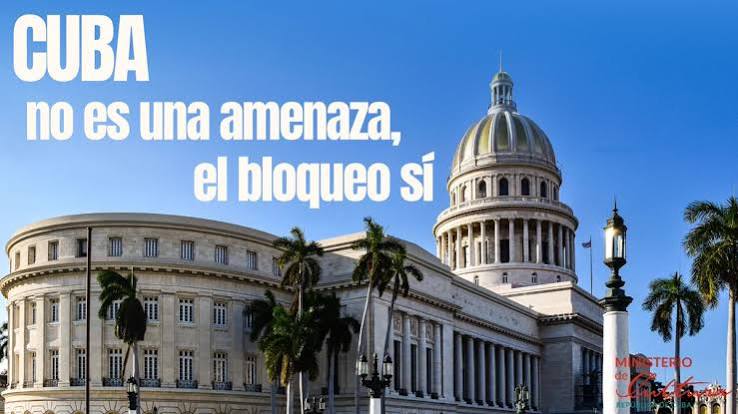
Added to this is the extraterritorial reach of the blockade, which prevents the promotion, dissemination, and commercialization of our artistic talent, thereby limiting the enjoyment of Cuban music by large audiences around the world. The market is dominated by major transnational corporations, largely controlled by U.S. capital.
The United States leads the global recording industry, both in the sale of physical media (CDs/DVDs) and in the growing digital market. The barriers imposed by the blockade prevent us from accessing this market directly, and transactions have had to be conducted through third countries. As long as these discriminatory measures, which violate basic principles of trade, remain in force, U.S. businesspeople will continue to refuse to sign contracts with Cuba.
The United States is also at the center of the global market for visual and applied arts, where the process of legitimizing art takes place through major events and fairs, as well as through auction sales.
Throughout the institutions under the Ministry of Culture, as well as affiliated institutions such as Casa de las Américas, the Cuban Institute of Cinematographic Art and Industry, the Cuban Book Institute, and the record companies, the consequences of this shameful siege against the Cuban people are being felt with increasing force.
Musicians, visual artists, dancers, theater artists, writers—in short, virtually all Cuban creators—are prohibited from exhibiting, selling, or presenting their works in U.S. territory, despite their indisputable quality. And those who have managed to do so are denied the right to receive the income corresponding to their work, including royalties.
As Marta Bonet de la Cruz, president of the Union of Writers and Artists of Cuba (UNEAC), recently stated before the 63rd session of the Human Rights Council in Geneva:
“The blockade imposed on us by the U.S. government must end. Cuban art and literature, which are internationally recognized, and our artists have as much right to freedom of creation as they do to life.”
Translated by Luis E. Amador Dominguez
Photo: Granma