Orquesta Aragón and the Popular Elegance of Cuban Music
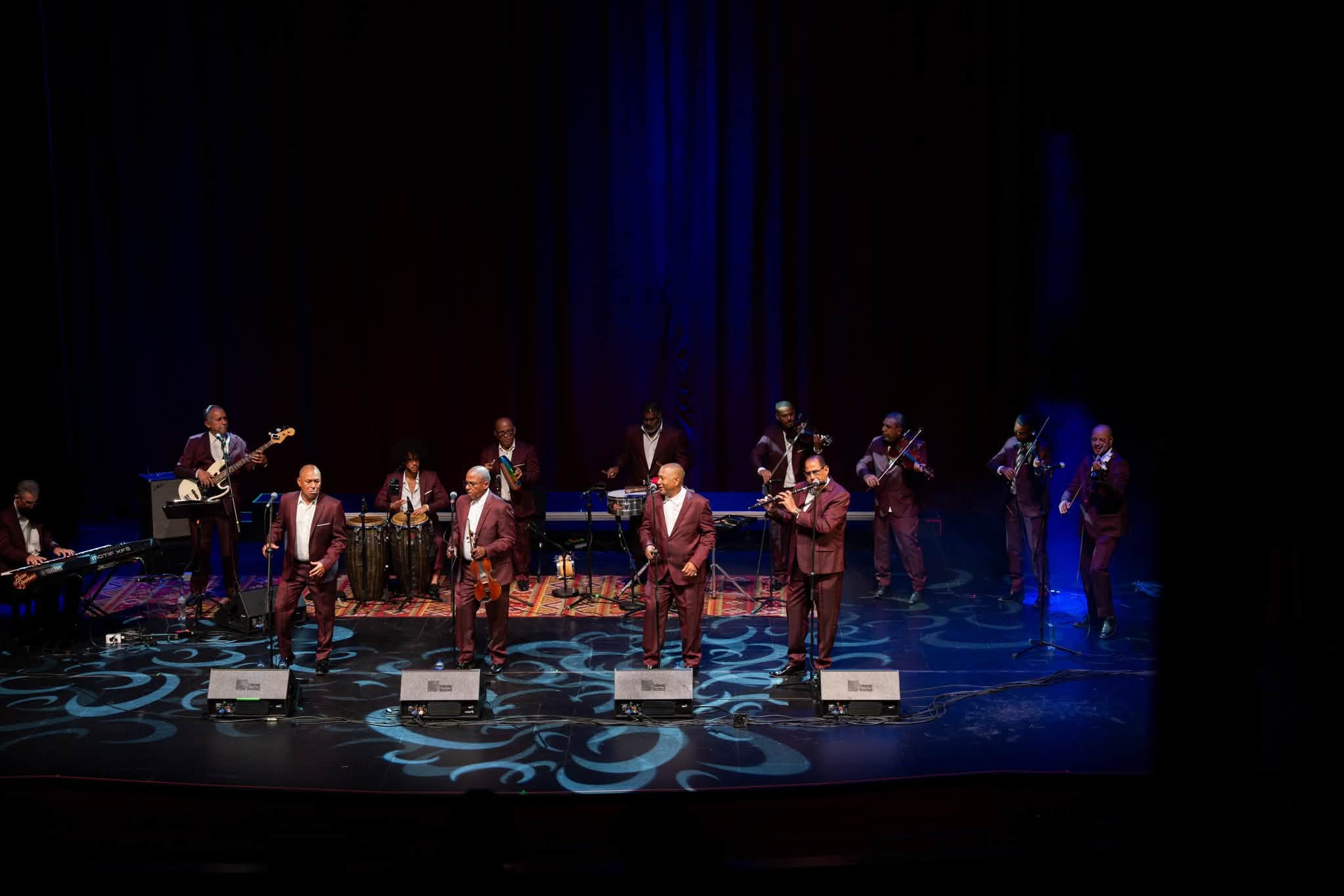
In Cuba’s musical imagination, few ensembles embody the idea of living tradition as vividly as Orquesta Aragón. For more than eight decades, its name has been synonymous with the charanga format, evoking an unmistakable blend of singing violins, virtuosic flute, resonant cello, and precise percussion that has accompanied generations of dancers both on and off the island.
Founded on September 30, 1939, in the city of Cienfuegos, the ensemble did not begin as an avant-garde project, but as a neighborhood dance orchestra, performing at popular celebrations and social dances. Yet the enduring consistency of its style, the quality of its arrangements, and its ability to evolve without betraying its roots eventually turned it into a leading cultural institution.
In the late 1930s, the French charanga format, heir to the typical orchestras of the nineteenth century, competed for the favor of Cuban audiences with septets and son ensembles, which were newer and more aggressive in their rhythmic approach. With their flute, violins, piano, double bass, timbales, and güiro, charangas were associated with an elegant repertoire of danzones and waltzes that seemed to be losing ground to the driving force of son montuno.
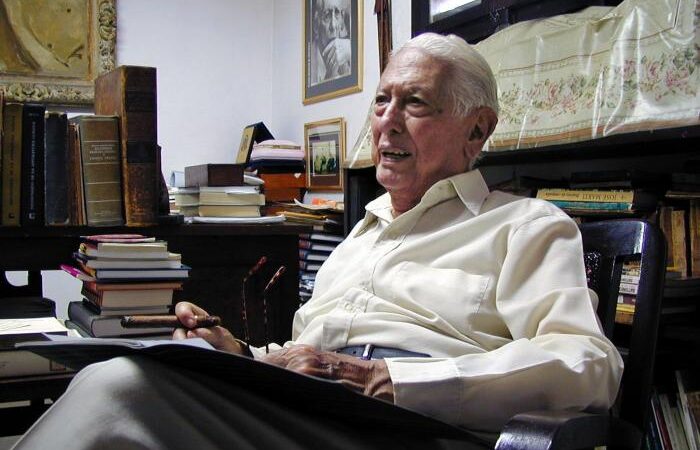
The ensemble’s early leadership fell to Orestes Aragón Cantero, a double bassist and director who gave the group his name and established the foundations of its working discipline. But the figure who brought the orchestra to artistic maturity was Rafael Lay, the violinist and director who took the helm in 1948 and remained at the forefront for more than three decades. Lay was far more than a manager of other people’s talents: he was a meticulous arranger, a demanding director, and a visionary who understood that the survival of charanga depended on its ability to engage with emerging genres without losing its sonic identity. “Rafael Lay transformed Aragón into a precision machine; under his baton, the violins ceased to be a melodic ornament and became a parallel rhythmic section, capable of engaging with the flute and percussion in a richly textured counterpoint,” notes Helio Orovio in his biographical dictionary of Cuban music.
The 1950s marked Orquesta Aragón’s international breakthrough. Tours of Mexico, Venezuela, Colombia, Panama, and the United States established the ensemble as an ambassador of Cuban music at a time when Caribbean rhythms were circulating widely. The records it made for labels such as RCA Victor and Puchito achieved continental distribution, while its versions of classics such as El bodeguero, Calculadora, Los tiñosos, and Pare cochero became staples of the Latin American dance repertoire.
Aragón’s repertoire has embraced a wide range of Cuban musical genres: danzón, cha-cha-chá, son, bolero, guaracha, mambo, and, later, salsa and timba. This openness was not the product of improvisation, but of a deliberate artistic policy. Musicologist Laura Vilar Álvarez, in her analysis of how Cuban dance ensembles adapted to changing times, highlights the group’s ability to read shifts in popular taste without simply submitting to them: “(…) it incorporated new rhythms, but always through the logic of its instrumental lineup, enabling it to remain relevant without disavowing its identity as a charanga.”
The flute’s role in Aragón’s sound is particularly striking. An emblematic charanga instrument, the wooden or simple-system flute, masterfully played by soloists such as Richard Egües and, later, Orlando “Maraca” Valle and Eduardo Rubio, became the ensemble’s leading voice, capable of breathtaking improvisations and melodies of moving sweetness. Egües, a legendary figure who was a member of the orchestra for more than three decades, explained in an interview: “(…) the flute in charanga is not a decorative instrument; it carries the melody, engages with the singer, and gives the orchestra its color. Without a good flute, there is no charanga worth its salt.” This central role of the solo instrument sets Aragón apart from other dance formats and gives it an unmistakable texture.
The orchestra’s pedagogical role has likewise been emphasized by numerous scholars. For decades, the ensemble functioned as an informal school where young musicians learned the trade alongside seasoned veterans.
Aragón’s significance within Cuba’s cultural fabric extends far beyond its role as a dance ensemble. Its recordings constitute an invaluable sound archive documenting the evolution of popular taste and instrumental formats over more than eighty years. Its international tours, sustained even during the most difficult periods of the Cuban economy, have served as a bridge for dialogue between the island and its diasporas, as well as between Cuba and audiences in Latin America, Europe, and Asia.
With its unmistakable and welcoming sound, Orquesta Aragón stands as one of the highest expressions of Cuban popular culture.
Translated by Luis E. Amador Dominguez
Photo taken from Orquesta Aragón de Cuba on Facebook