Older Adults: A Source of Wisdom and Values
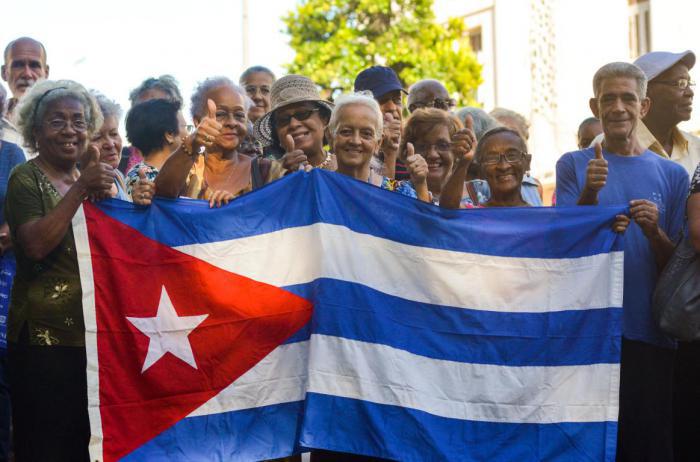
In a society such as Cuba’s, which is experiencing rapid population decline and aging—with one-quarter of the population aged 60 and over—patterns of dependency are changing, and regulations must reflect this new social reality.
For this reason, care for older adults is now at the heart of a development model that seeks sustainability and social equity. Progress is being made in protecting this population through the design of new strategies and efforts to strengthen existing ones, with a view to implementing increasingly targeted and effective measures.
A range of social determinants in old age must be taken into account to safeguard older adults’ health and well-being. These include living with family, having stable housing, access to adequate nutrition and essential services, and opportunities to participate in community life without urban barriers.
The impact of risk factors on functional capacity and the degree of independence needed to perform basic activities of daily living and participate in society must also be considered. An 80-year-old or older person who lives alone or in a dysfunctional family environment marked by abuse and social isolation can suffer greatly, particularly when facing mobility difficulties, physical inactivity, and the risk of falls at home.
Despite the economic, trade and financial challenges it faces as a result of what it describes as the relentless, genocidal blockade imposed by the United States government, Cuba takes pride in having a National Health System with a well-established Comprehensive Program for Older Adults, based on a community and institutional approach and supported by advances in Gerontology and Geriatrics.
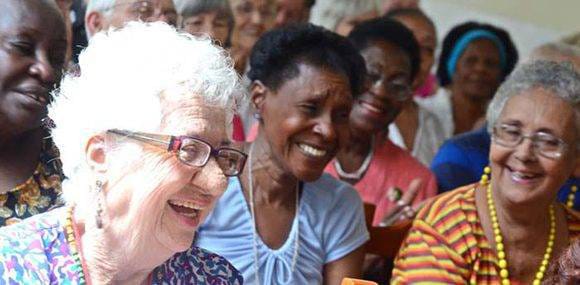
Social work at the community level also stands out, backed by the full support of the State. Individual care programs are designed and implemented for dependent or vulnerable people; the social and educational integration of older adults is promoted; emergency social services and certain financial and institutional benefits are coordinated; and collective care projects, such as Houses and Circles for Older Adults, are carried out throughout the country.
Caring for and protecting older adults also helps foster and strengthen important values within both the family and society. They encourage respect and consideration for parents and other family members, as well as for classmates and coworkers; pass on moral, patriotic and revolutionary values; demonstrate that important goals are achieved through perseverance and daily effort; and, through their humility, show the importance of living simply and recognizing both one’s strengths and weaknesses.
One value found in most of our older adults, and one that takes on particular significance in Cuba today, is resilience. They share lessons on how to overcome difficult times with strength and optimism; reinforce Cuban identity and roots by sharing family history and the origins of the country’s traditions; and demonstrate their honesty by instilling in others the importance of acting with integrity and truthfulness in every situation in life.
Translated by Luis E. Amador Dominguez
Photo: Granma