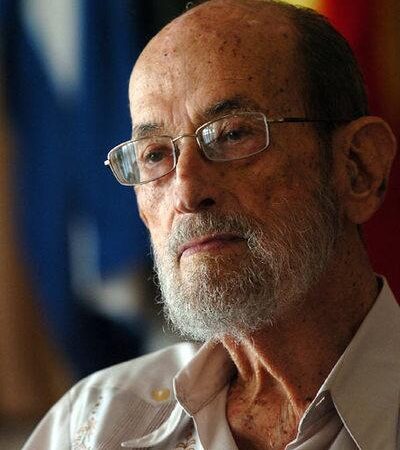
Fernando Alonso: The Pedagogue Who Sculpted the Soul of Cuban Dance
On July 27, 2013, Cuban culture and the international dance world received news that marked a turning point in the island’s artistic landscape: master Fernando Alonso, a central figure in the founding and consolidation of the Cuban ballet school, had died. His passing left behind an immense void, but also a pedagogical and artistic legacy of extraordinary significance. It was not simply the loss of a choreographer or dancer, but the death of the architect of a style that placed Cuba at the summit of world dance. His work, however, did not fade with his absence; it is renewed every day in the pointe shoes of young dancers in studios across the island and in the unanimous recognition of a nation that embraced him as a living part of its heritage.
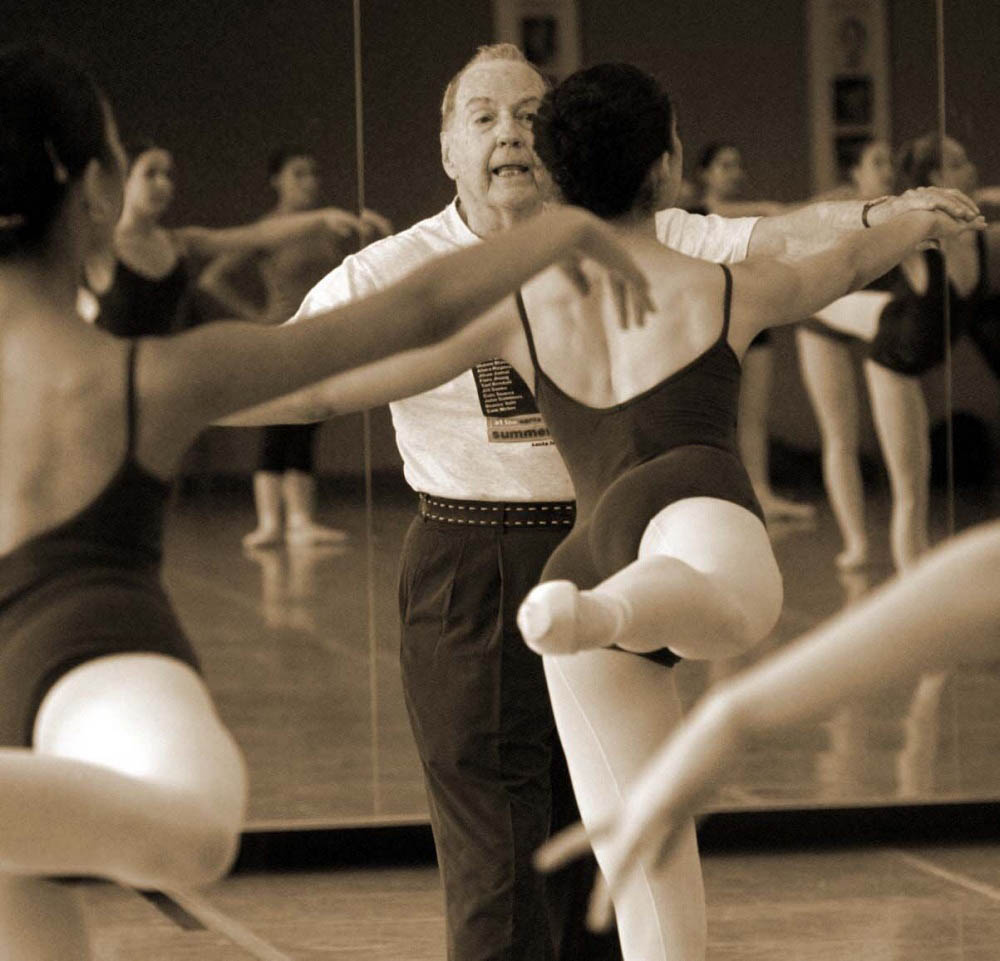
If his life could be summed up in a single phrase, Fernando Alonso was above all an exceptional pedagogue. His vision went far beyond teaching steps and positions: he built a school of thought. He set out to form an all-around dancer, endowed with refined technique and, at the same time, with the expressiveness and musicality that resonate with the soul of the Cuban people. That imprint can be traced in the training of legendary figures such as Alicia Alonso, who embodied like no one else the spirit of Cuban womanhood on stage. The master himself put it plainly: in his sister’s interpretation, one could “see the ease and idiosyncrasy of the Cuban woman.” This aesthetic principle, which fused academic discipline with Caribbean warmth, became the hallmark of Cuban ballet worldwide.
Today, Fernando Alonso’s influence is visible not only in the pages of history books, but also in the island’s vibrant cultural life. Despite the difficulties, paying tribute to his memory has become a source of inspiration and creative drive for new generations. One example is the launch of the 2026 Fernando Alonso Special Ballet Prize, announced by the Hermanos Saíz Association. Aimed at young talents up to the age of 35 in the categories of dancer, choreographer and teacher, the award not only recognizes excellence, but also ensures the transmission of his legacy to those who will carry the torch forward. The initiative makes clear that his ideas remain relevant and are considered a cornerstone of the country’s artistic development.
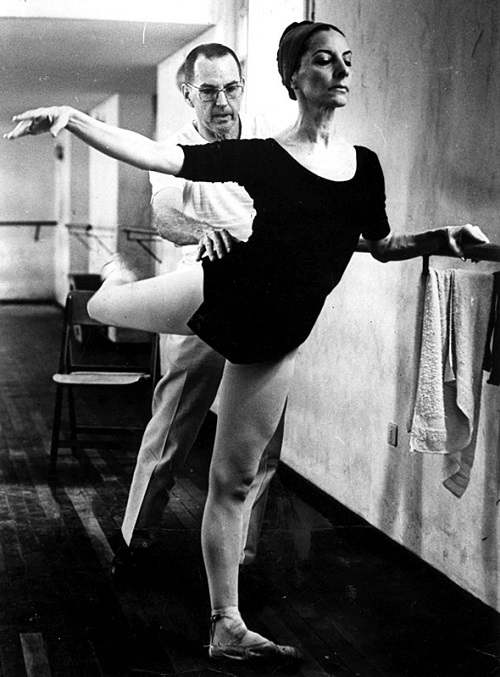
Likewise, in the province of Camagüey, the fourth Fernando Alonso In Memoriam Choreography and Performance Competition stands as another tangible expression of his enduring presence. The event, which brings together creators from across the island, serves as a platform for experimentation and professional growth, always under the demanding standards of the classical technique the master helped instill. The organization of the competition, which this year faced logistical constraints due to the country’s energy situation, reflects the artistic community’s determination to keep his name and teaching alive. There can be no pause in the effort to honor the man who gave so much to Cuban dance.
The international reach of this school remains intact as well, and Fernando Alonso’s name continues to serve as a banner for attracting talent from around the world. The Fernando Alonso National Ballet School has announced the call for the 2026 Grand Prix of Havana, a competition scheduled for July that hopes to bring together young dancers between the ages of 9 and 20 from all nationalities. The event, heir to the competitions promoted by the great masters of Cuban dance, seeks to foster cultural exchange and artistic excellence from a universal perspective. The very existence of this competition, which bears the master’s name, underscores his role as a cultural ambassador and his enduring ability to build bridges between Cuba and the world.
Even in the most ordinary moments of artistic life, his memory emerges with force. At the National Museum of Dance, home to Alicia Alonso’s legacy, the presence of students from the school that bears her name becomes a living link with history. When they contemplate the costumes from the legendary Carmen, young dancers are not merely studying a museum piece; they are entering into a dialogue with the essence of the Alonsos’ creative work.
Fernando Alonso, through his pedagogical legacy, thus becomes an eternal mentor, guiding tomorrow’s professionals in every class, every rehearsal and every performance. His artistic credo — a dance that is at once universal and deeply rooted in national identity — remains the most valuable lesson he left behind.
Translated by Luis E. Amador Dominguez
Photos: La Jiribilla