The University of the Arts of Cuba (ISA) Retains Its Founding Essence
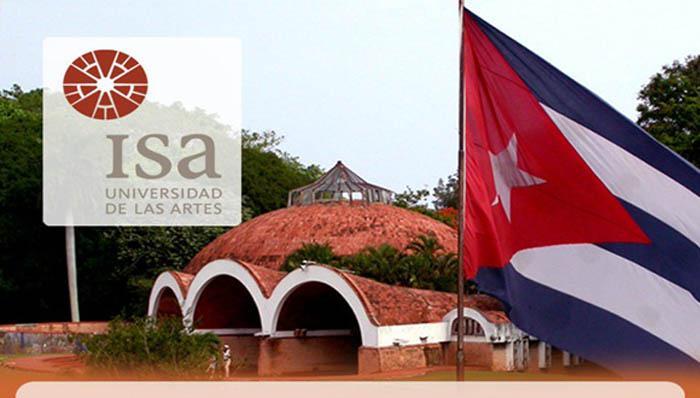
With the genuine pride of knowing they are part of the remarkable history of the University of the Arts of Cuba—known as the Higher Institute of Art (ISA) during its first three decades—several generations of students and professors are celebrating the institution’s five decades of existence and its founding vision of art and culture rooted in humanist and revolutionary principles.
Many remember their first day of classes on the beautiful campus, the sense of wonder and anticipation that came with entering a new setting for artistic education and practice, and a distinguished faculty with a wealth of experience. They were undoubtedly outstanding representatives of the most advanced creative trends and schools of thought of their time.
With the creativity of its administrators, professors, and students, the ISA evolved over the past half-century through a process of continuous growth in artistic creation and cultural management. Today, its work encompasses Music, Visual Arts, Theater, Dance, Audiovisual Media, and Cultural Heritage Conservation.
In his Words to the Intellectuals (1961), Commander in Chief Fidel Castro, the supreme leader of the Cuban Revolution, had already outlined the country’s cultural policy and reaffirmed that one of its fundamental goals was to develop art and culture in all their dimensions. The University of the Arts of Cuba’s rapid development—particularly since its transformation in the 2000s—has extended beyond the country’s borders, not only because dozens of students from other countries have been educated there, but also because of the international recognition earned by its graduates for the quality of their work as artists.
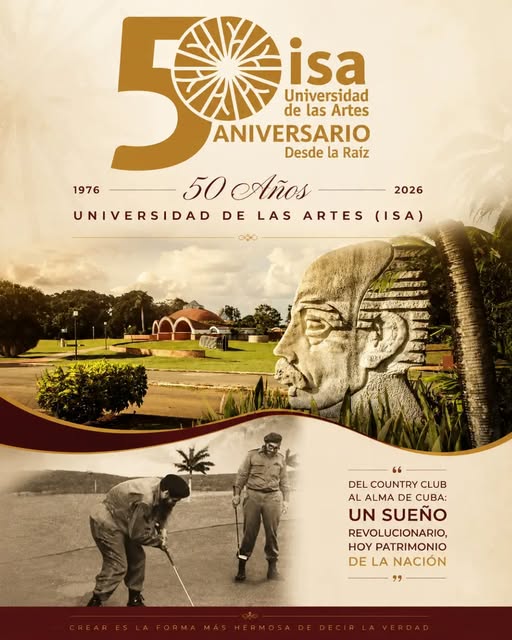
Young people trained at this institution of higher education have had to contend with major limitations because they were born and educated under the adverse impact of the economic, commercial, and financial blockade imposed on Cuba by the United States government for nearly six and a half decades.
The material resources required for the training of artists rank among the most costly educational resources in the world. Were it not for the blockade, Cuba could achieve substantial savings by purchasing these resources—particularly musical instruments—on the U.S. market. The Cuban government makes considerable efforts to import them from distant markets so that their professional development is not brought to a halt.
A significant portion of the funding this important institution needs is lost because of U.S. laws which, among other consequences, prevent many institutions around the world from providing financial support for numerous artistic projects developed at the Cuban university.
Exchanges involving students and professors from other countries remain minimal compared with what would be needed because of the restrictions and fears created by the blockade.
Despite all these obstacles and limitations, the University of the Arts of Cuba community has succeeded in educating and nurturing professionals who enjoy widespread recognition around the world.
To everyone who has made this beautiful place their home, we extend our congratulations.
Translated by Luis E. Amador Dominguez
Photo: Granma